By Lanre Oloyede
The Association of Accessibility Professionals (AAP, Nigeria) has called for the enactment of a policy to ensure the inclusion of Persons With Disabilities (PWDs) in the procurement and contract award processes in Nigeria.
This advocacy aligns with the organization’s mission to promote accessibility and inclusion in socio-economic activities for PWDs.
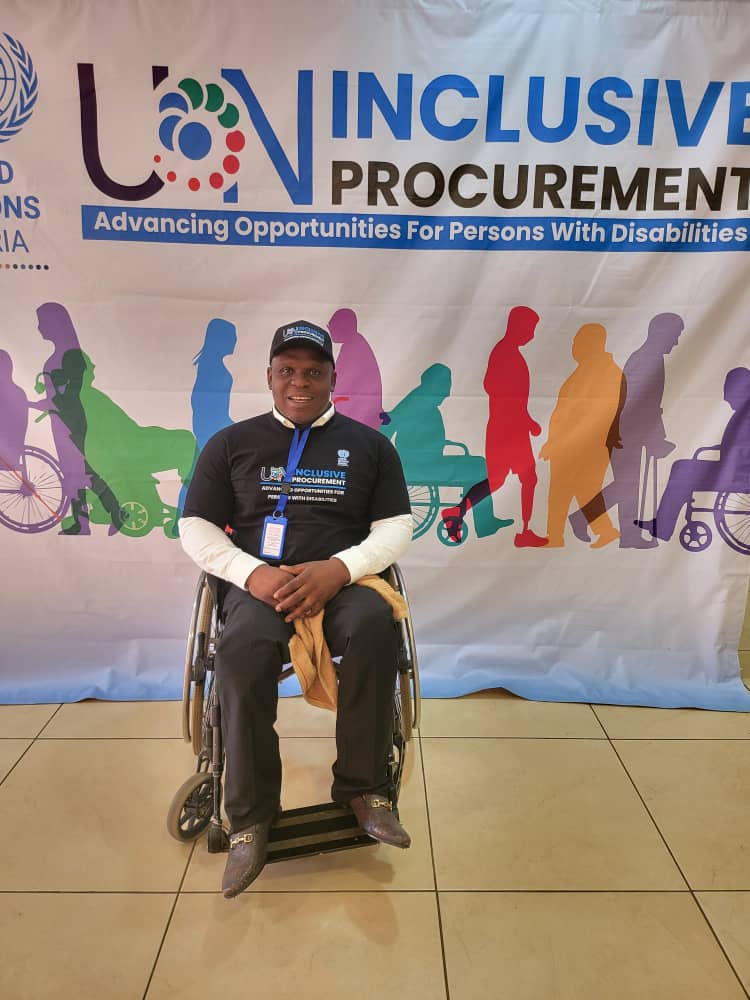
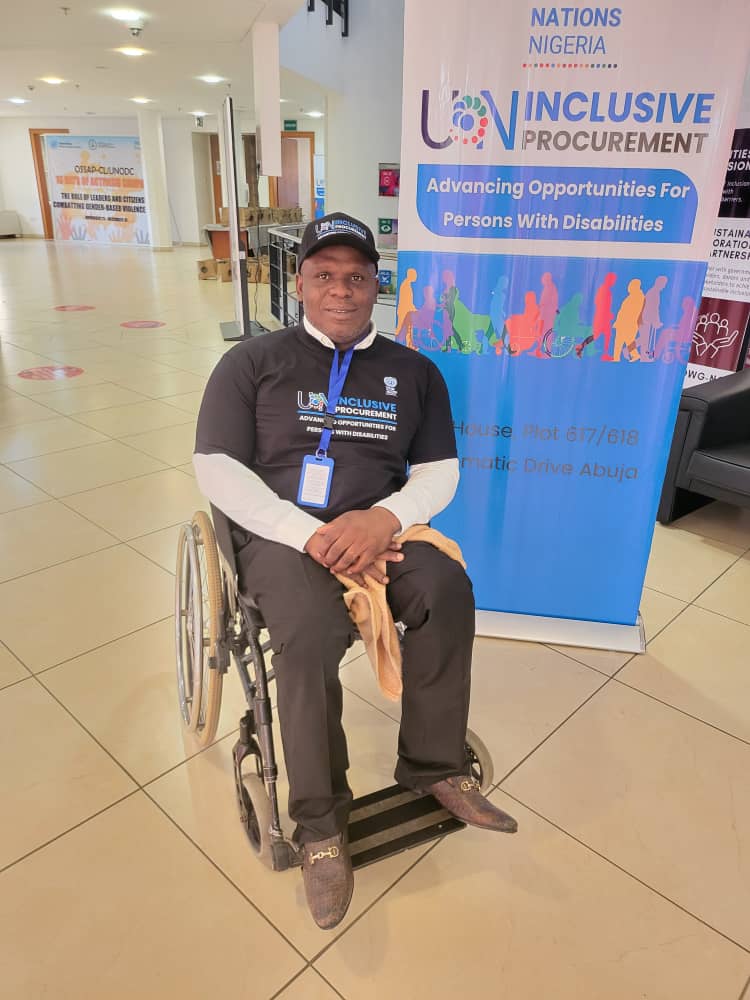
Speaking at the United Nations Inclusive Procurement Symposium, Barr. Yusuf Iyodo, Board Chairman and Coordinator of AAP Nigeria, emphasized the urgent need to address the systemic exclusion of PWDs from bidding and tendering opportunities in Nigeria’s procurement landscape.
Symposium Focus: Advancing Inclusive Procurement
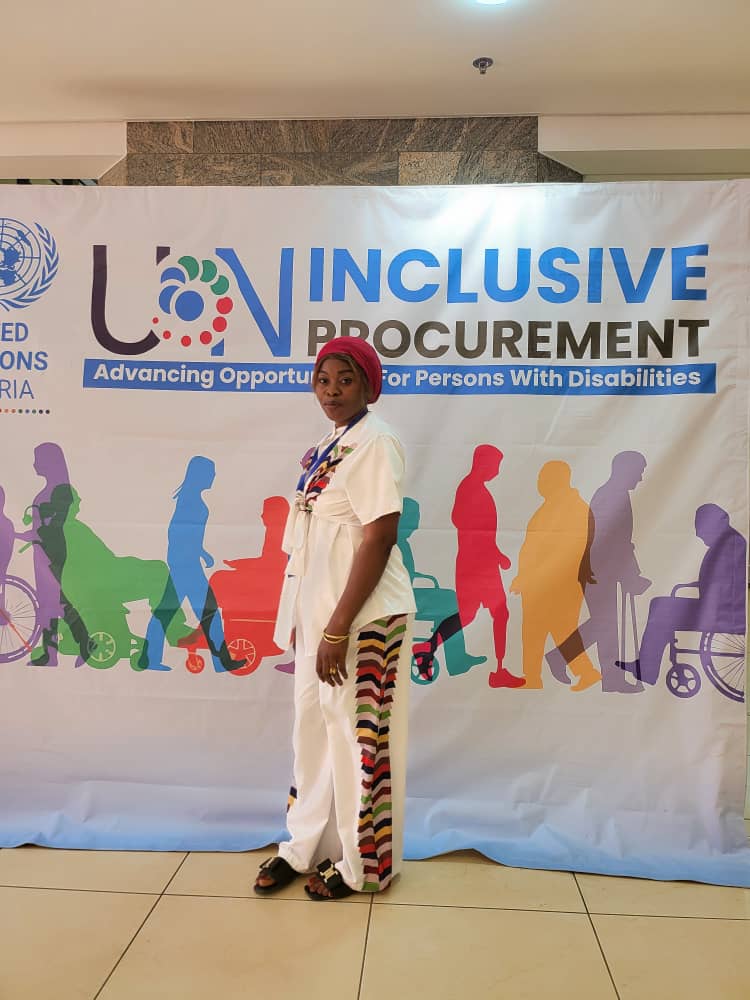
Themed “Inclusive Procurement: Advancing Opportunities for Persons with Disabilities through Inclusive Procurement,” the event was organized by the United Nations Inter-Agency Procurement Working Group in Nigeria. It served as a platform to explore innovative strategies, share best practices, and foster collaboration aimed at building an equitable procurement ecosystem.
Barr. Iyodo described the symposium as a significant step forward, highlighting its potential to inspire policymakers and stakeholders to recognize the economic benefits of empowering PWDs through inclusive procurement practices.
Calls for UN-Led Action
Iyodo urged the United Nations to lead by example by setting procurement quotas for companies owned or co-owned by PWDs. He lamented that, despite Nigeria’s population of over 35.1 million PWDs, none have received contracts worth ₦5 million or more. This glaring inequality, he argued, underscores the need for systemic change.
AAP’s Advocacy Demands
To address these disparities, the AAP, NIgeria Board Chairman/Coordinator outlined the following key demands:
1. Quota Allocation:
A percentage of procurement contracts should be reserved for companies owned or co-owned by PWDs.
2. Item-Specific Reservations:
Certain procurement items should be reserved exclusively for businesses led by PWDs.
3. Prequalification Criteria Relaxation:
Flexible requirements should be introduced to enable emerging companies owned by PWDs to compete in bidding processes.
4. Inclusive Procurement Policy:
The UN should sponsor a comprehensive policy articulating these demands to ensure sustainable inclusion.
Transformative Role of Inclusive Procurement
The symposium underscored the importance of creating opportunities for businesses owned or led by PWDs.
Participants discussed how UN procurement practices could drive inclusivity and equity, particularly by addressing the specific needs of marginalized groups.
Attendees also gained valuable insights into navigating UN procurement systems and were encouraged to engage actively in fostering a diverse supplier base.
Barr. Iyodo concluded by reiterating the transformative potential of inclusive procurement policies in bridging socio-economic gaps and empowering PWDs to thrive in Nigeria and beyond.
