

By Lanre Oloyede
The Senior Special Assistant to the President on Special Needs and Equal Opportunities, Hon. Mohammed Abba Isa, has called for decisive action to ensure that Nigeria’s Disability Act moves beyond symbolism and delivers tangible benefits to the people it was enacted to protect.
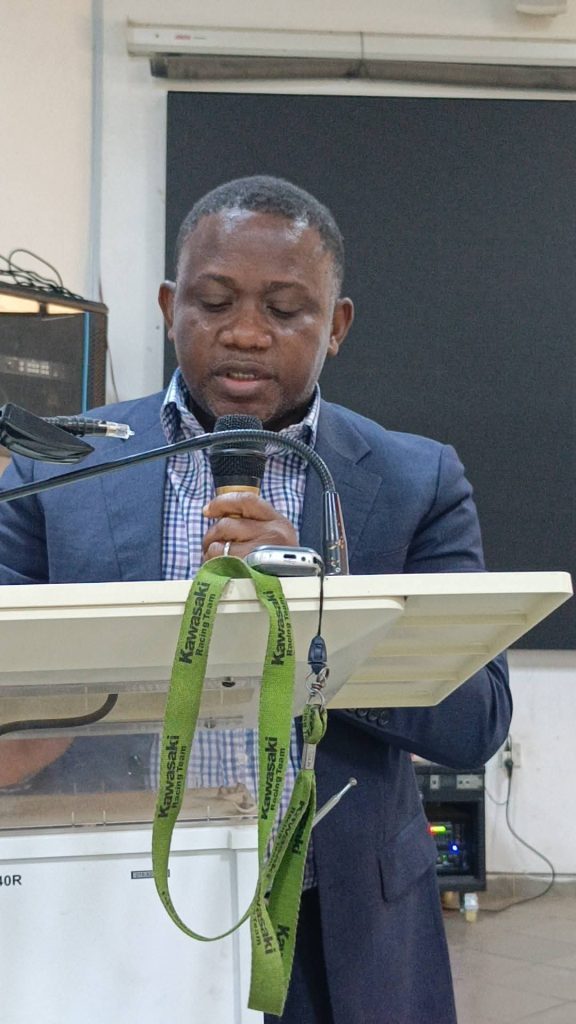
Speaking as Special Guest at the 7th Anniversary of the Discrimination against Persons with Disabilities (Prohibition) Act, 2018, Hon. Abba Isa, who was ably represented by his Director Media and Communications, Mr Lanre Oloyede, declared that the law “must live, breathe, and work for the people,” warning against a situation where the landmark legislation ends up like many other Nigerian laws that remain unimplemented years after enactment.
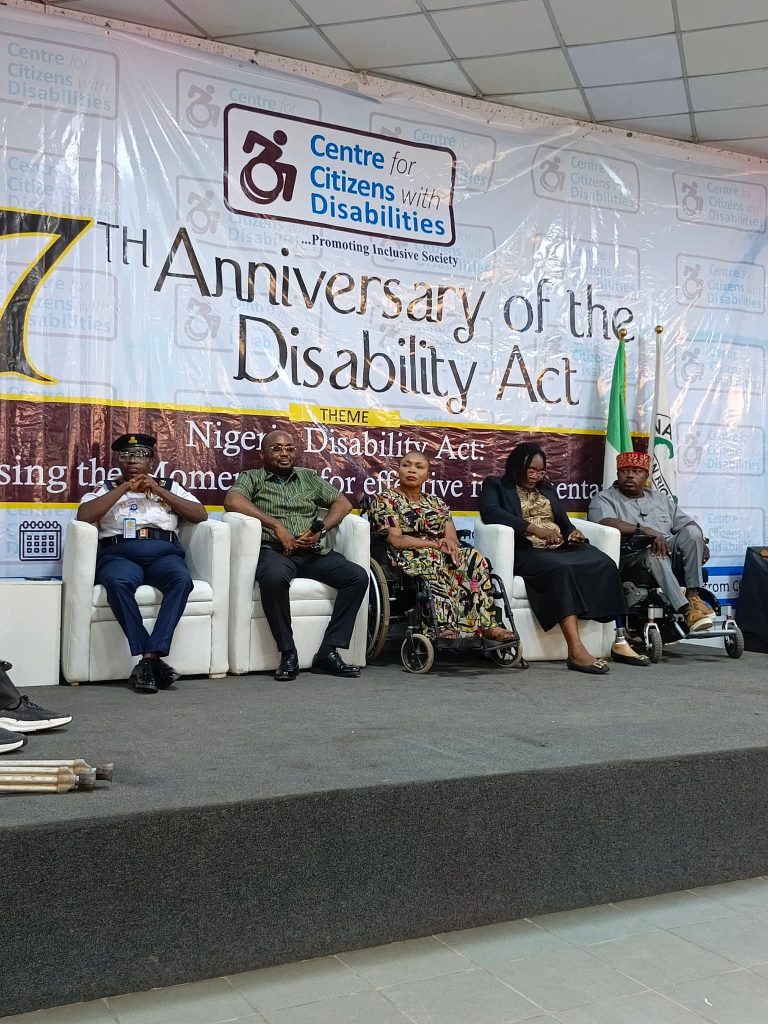
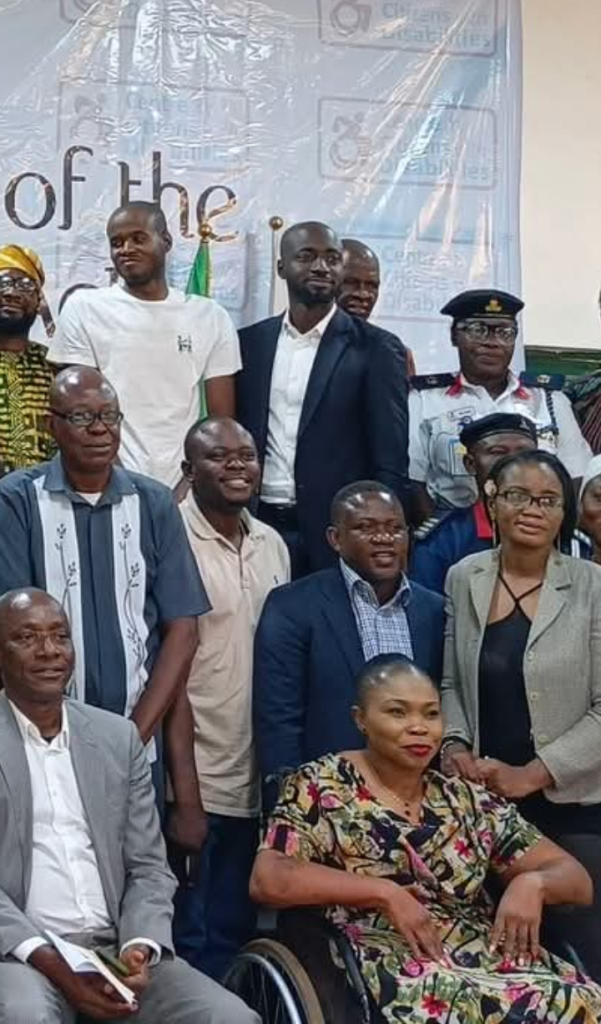
The anniversary event, organised by the Centre for Citizens with Disabilities (CCD) and hosted by the National Human Rights Commission, was held under the theme “Nigeria’s Disability Act: Raising the Momentum for Effective Implementation.” According to the presidential aide, the theme captures the urgent national task of translating legislative victory into real change for over 35 million Nigerians with disabilities.
While acknowledging notable progress, including the establishment of the National Commission for Persons with Disabilities and the domestication of the Act by about 28 states, Hon. Abba Isa lamented that implementation remains weak across many sectors.
He noted that several states that have domesticated the law are yet to establish functional implementation and enforcement agencies, reducing domestication to a largely symbolic exercise.

He identified key barriers to effective implementation to include weak institutional frameworks, inadequate funding, low awareness of the law among Persons with Disabilities (PWDs) and duty bearers, limited political will at the sub-national level, poor inter-agency coordination, insufficient data, and weak enforcement mechanisms.
To address these challenges, the SSA outlined a multi-pronged approach, urging states to urgently establish and adequately fund Disability Commissions or equivalent agencies. He also stressed the need for sustained nationwide awareness campaigns and capacity-building programmes to empower PWDs to claim their rights and enable institutions to meet their obligations.
Disability inclusion, he added, must be mainstreamed into all government policies, budgets, and procurement processes, while stronger collaboration among government, civil society, OPDs, the private sector, and development partners is required to drive accountability and compliance.
Earlier in his welcome remarks, Acting Director of CCD, Mr. Godwin Unumeri, emphasised the organisation’s commitment to action over legislation, noting that laws only become meaningful when they translate into improved lives.
“Today, as part of the reset, we gather to drive implementation of the Disability Act, ensuring PWDs rights are protected and they are included in decision-making. Our theme emphasizes action over legislation, galvanizing a more inclusive society through participatory implementation,” he said.

Also speaking, the African Director of the Disability Rights Fund, Dr. Theophilus, urged stakeholders to intensify efforts toward implementation, stressing that the Fund would continue to support Organisations of Persons with Disabilities in Nigeria to advance disability rights in line with the provisions of the Act.
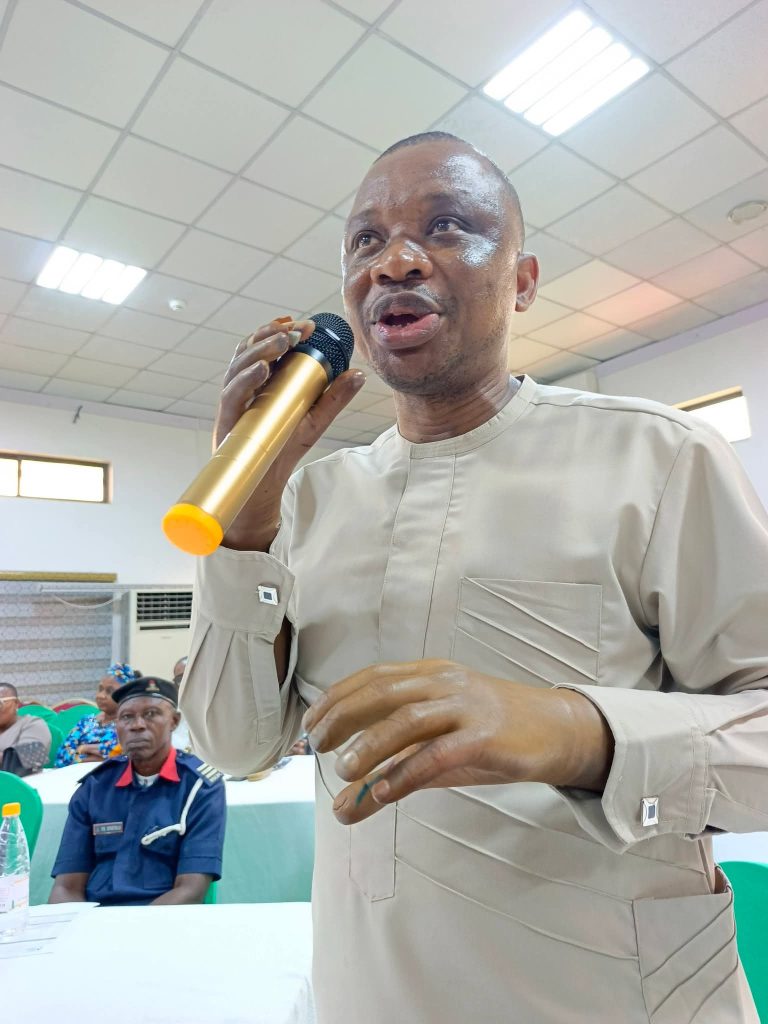
In his opening remarks, Founder of CCD, Mr. David Anyaele, reflected on the long struggle that led to the passage of the Disability Act, describing it as a moral and collective cause rather than a quest for personal gain. He acknowledged that while the disability community has not yet reached the “promised land,” the Act has already empowered many PWDs and created livelihood opportunities
Anyaele recounted how advocacy efforts, including protests in Abuja in January 2019, eventually drew presidential attention to the bill, culminating in its assent into law. “By this time seven years ago, it seemed impossible, but our struggles paid off,” he recalled.
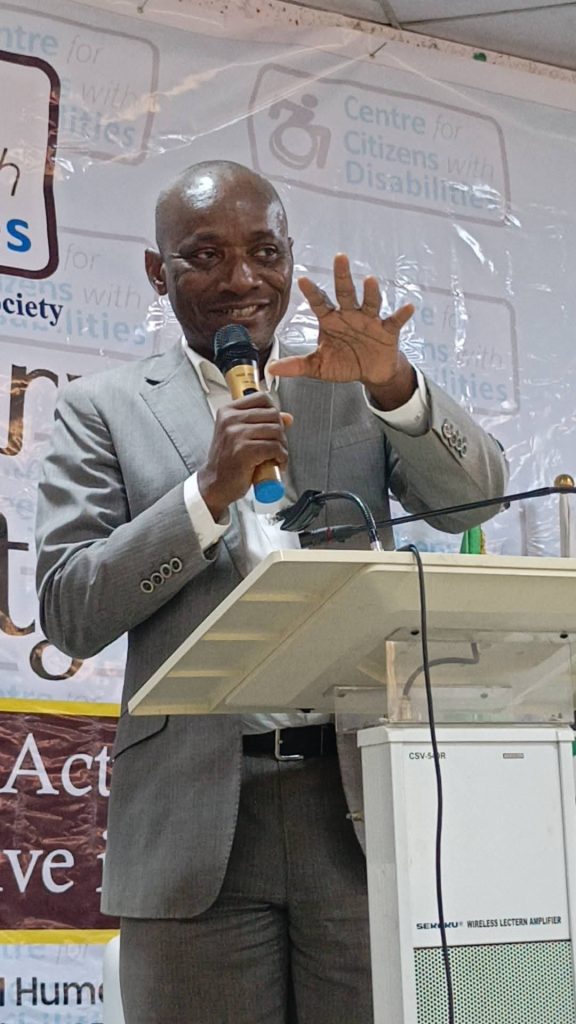
Delivering a keynote presentation on the theme, Dr. Sam Amadi examined why the momentum that led to the Act’s passage appears to have waned.
He described advocacy as a phased struggle and urged stakeholders not to be complacent after the initial victory. According to him, sustained pressure and renewed commitment are essential to ensure that the National Commission for Persons with Disabilities functions effectively and that the promises of the Act become a lived reality for all Persons with Disabilities in Nigeria.
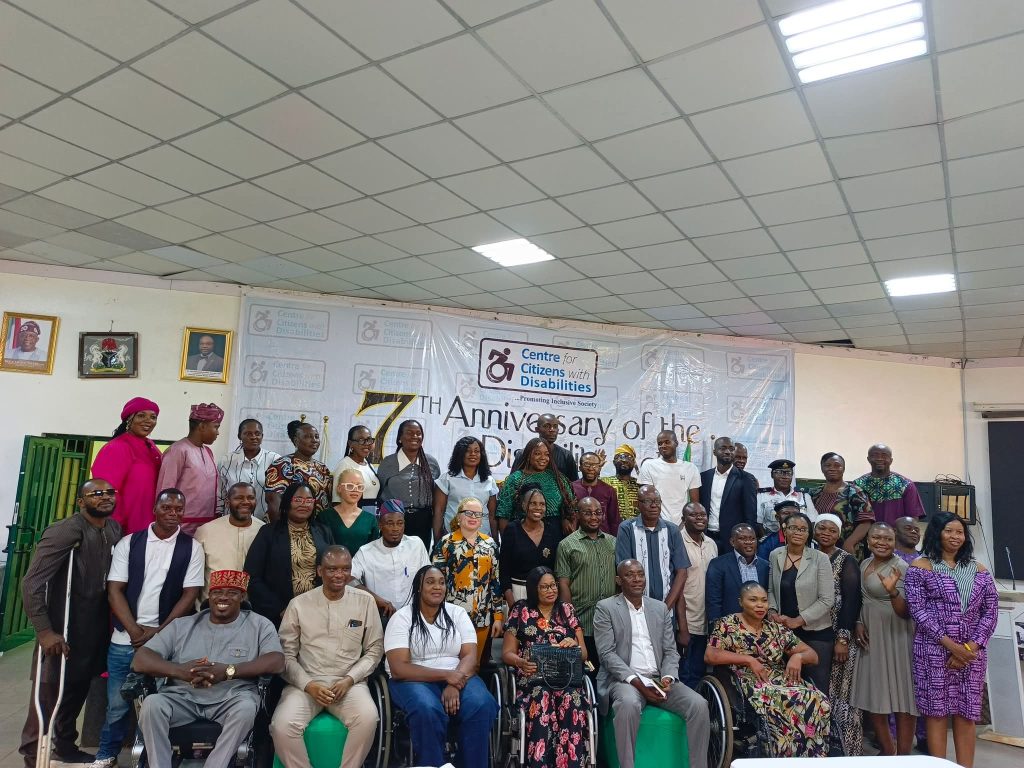
The event ended with a collective call for renewed advocacy, stronger partnerships, and concrete action to raise the momentum for effective implementation of Nigeria’s Disability Act.


