By Lanre Oloyede
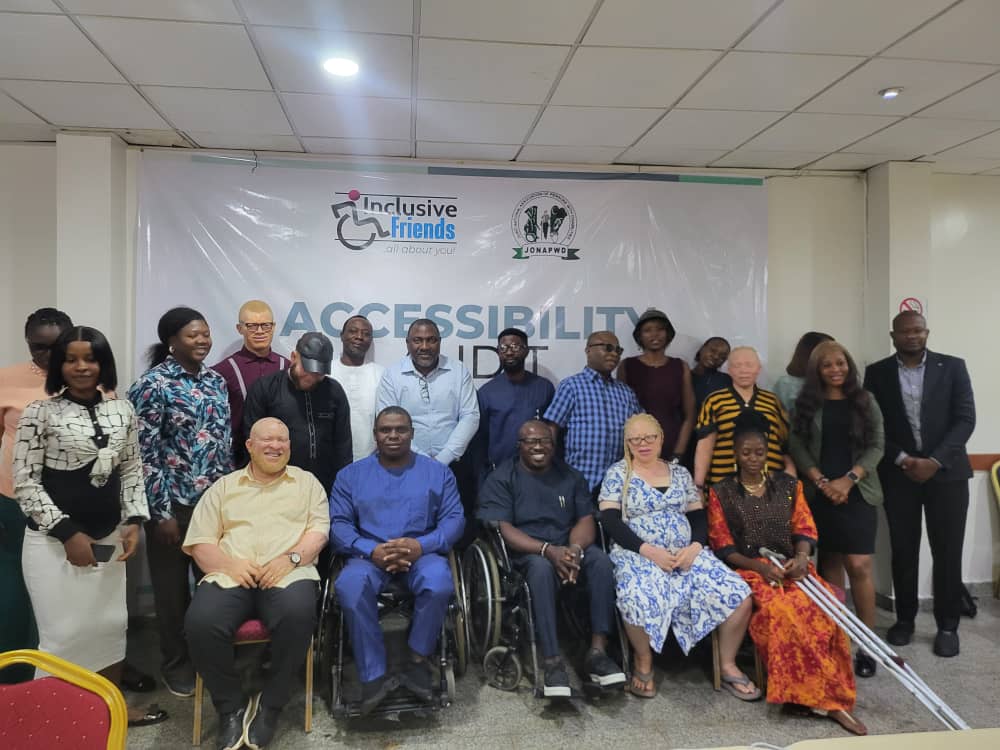
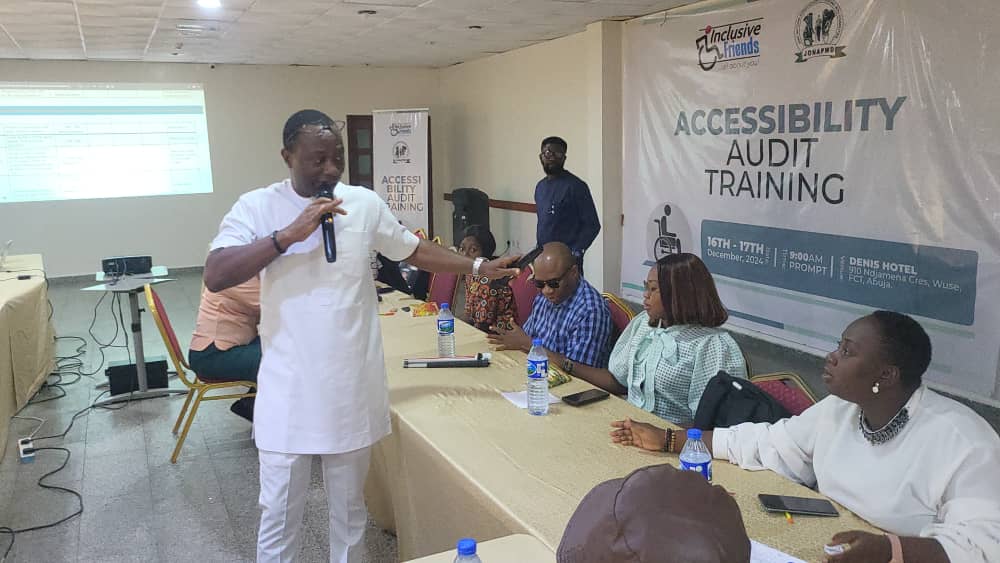
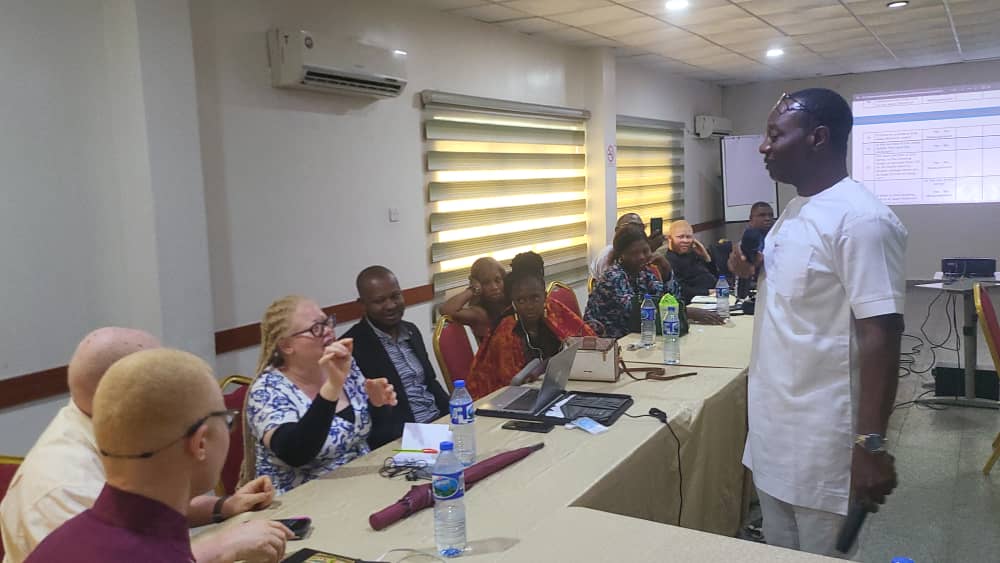
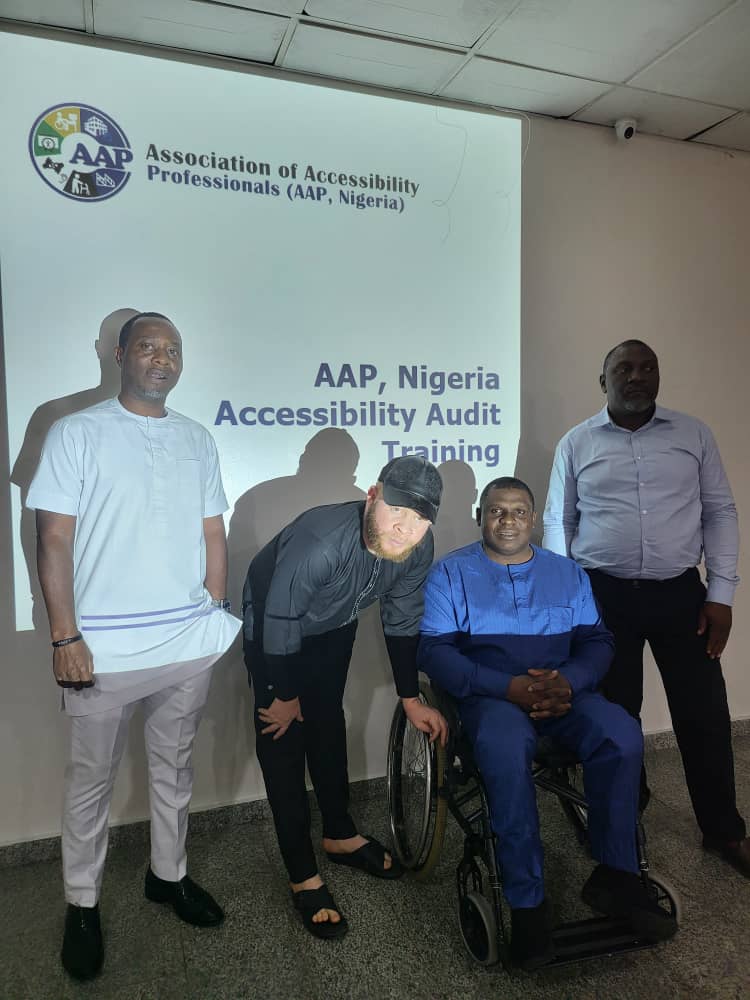
The Association of Accessibility Professionals (AAP), Nigeria, has commenced a two-day Accessibility Audit Training for the Inclusive Friends Association (IFA) in Abuja.
The training, scheduled for December 16–17, 2024, is part of IFA’s project titled “Mainstreaming Organizational Inclusion and Accessibility in Public and Private Sectors in Abuja, Nigeria.”
This initiative is supported by the MacArthur Foundation through the Joint National Association of Persons with Disabilities (JONAPWD).
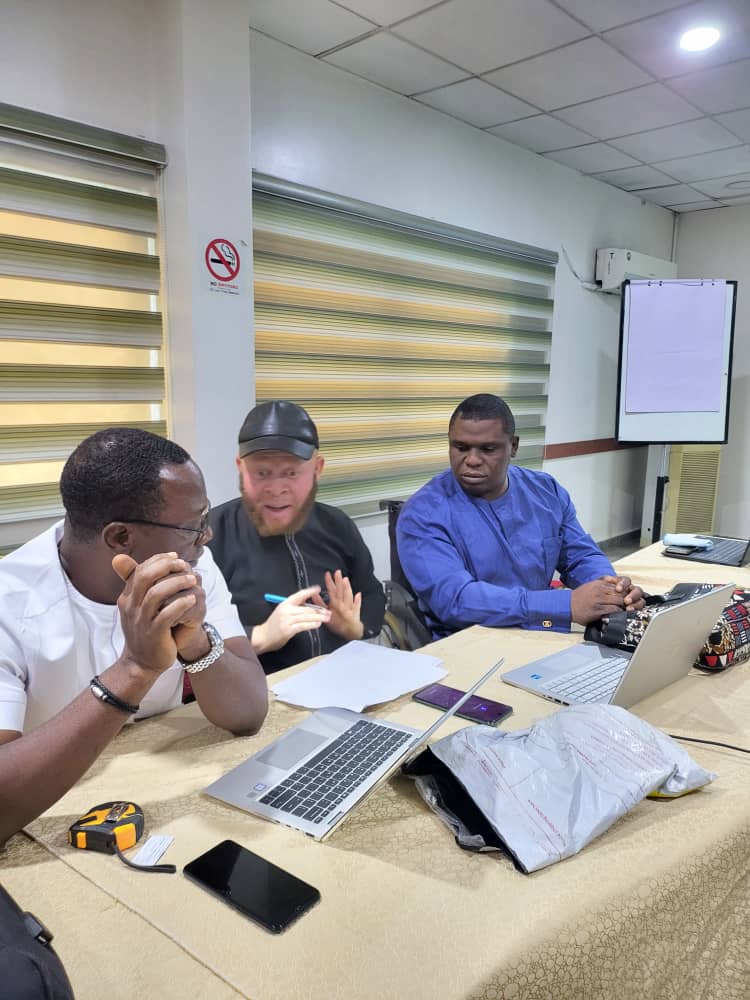
During the training, Barr. Yusuf Iyodo, Board Chairman and General Coordinator of AAP Nigeria, emphasized the significance of leveraging the National Disability Act, 2018, to enforce accessibility standards. He noted that the Discrimination Against Persons With Disabilities (Prohibition) Act mandates all public buildings to ensure accessibility for Persons With Disabilities (PWDs) by incorporating ramps, railings, audio signals, and other necessary modifications.
“What IFA is doing today is an action plan aimed at enforcing this law and addressing the historical neglect of accessibility needs,” Iyodo stated.
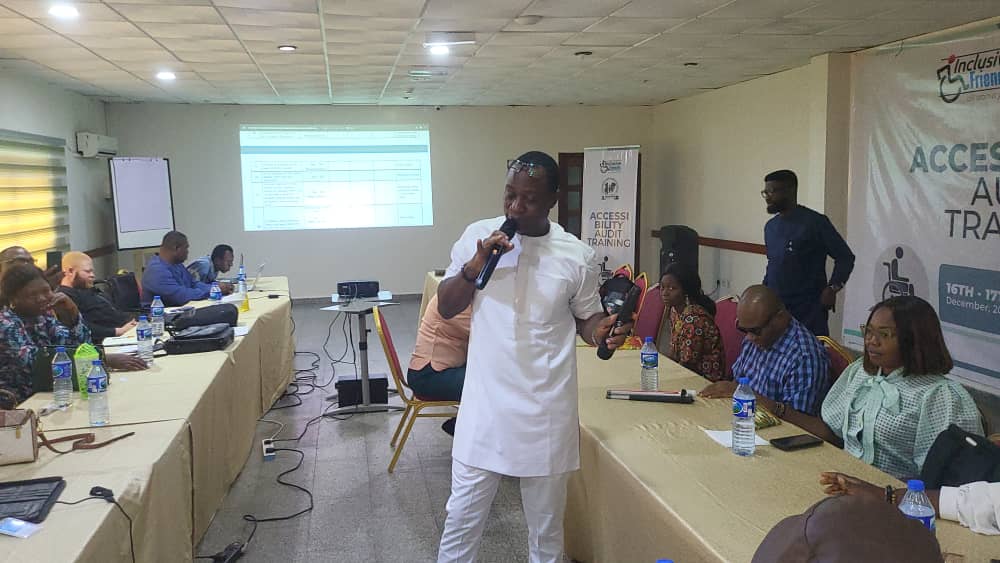
In his presentation, Mr. Jimmy Ali, AAP Nigeria’s FCT Chairman, presented on various accessibility requirements, highlighting technical details such as ramp specifications, stable and slip-resistant surfaces, and other key elements designed to enhance comfort for PWDs.
Project Objectives and Activities
The project seeks to mainstream inclusion and accessibility in five selected public and private institutions in Abuja, including government ministries, departments, agencies (MDAs), and civil society organizations (CSOs). It aims to assess the inclusivity of policies, budgets, employment practices, and physical environments using a Simplified Accessibility Regulation framework.
Key objectives include:
Identifying barriers and gaps in inclusion and accessibility.
Developing targeted interventions and advocacy strategies.
Building an Accessibility Compliance Dashboard (ACD) to track progress in areas such as inclusive policies, budgeting, employment, and accessibility standards.
Milestones
The project will achieve the following milestones:
Organizational inclusion assessments, including accessibility audits of five institutions.
Training for 10 Accessibility Assessors to enhance accountability in public and private institutions.
Capacity-building for institutions on disability inclusion and accessibility.
Development of an Accessibility Compliance Dashboard to monitor progress.
Scope of Work
Part 1: Accessibility Audit Training
AAP Nigeria is tasked with:
1. Designing a comprehensive Accessibility Audit Training Manual and presentation materials tailored to diverse disabilities.
2. Facilitating the training of 10 Accessibility Assessors to conduct effective accessibility assessments.
3. Delivering a detailed report summarizing the training outcomes, evaluations, and recommendations.
Part 2: Organizational Inclusion Assessment (OIA)
AAP Nigeria will:
1. Adapt the Simplified Accessibility Audit Checklist into a detailed Inclusion Assessment Tool aligned with international standards.
2. Guide trainees through document reviews, stakeholder interviews, and physical accessibility audits of five institutions.
3. Provide data analysis and detailed assessment reports highlighting strengths, gaps, and actionable recommendations.
4. Develop a tailored action plan for each institution, addressing identified gaps and enhancing inclusion and accessibility practices.
Capacity-Building Training
AAP Nigeria will also facilitate a one-day training session for the selected institutions, focusing on disability inclusion, inclusive policies, budgeting, and employment. Findings from the accessibility audits will be discussed, and tailored action plans will be developed to promote sustainable improvements.
By the end of the training, institutions are expected to understand the importance of disability inclusion and accessibility and commit to actionable steps to enhance their practices. This project represents a significant stride toward fostering inclusive and accessible environments within Nigeria’s public and private sectors.
