By Lanre Oloyede
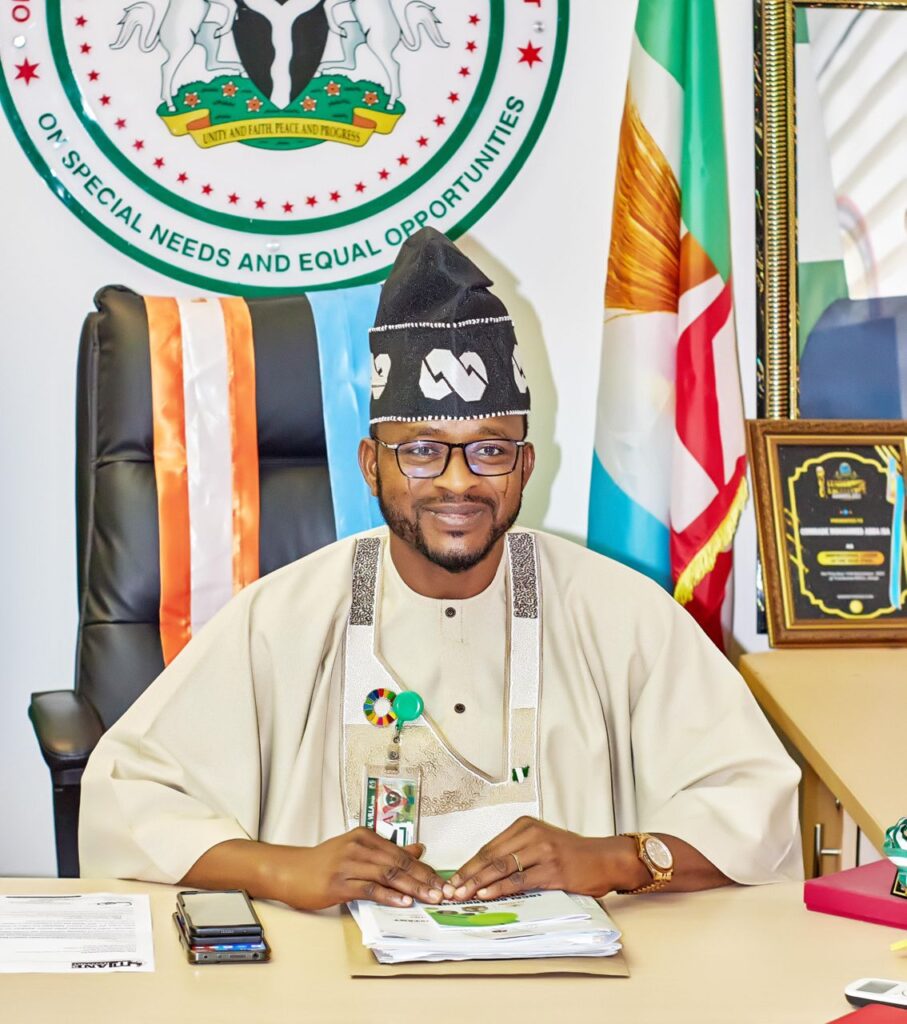
In a landmark call for climate justice and social equity, the Senior Special Assistant to the President on Special Needs and Equal Opportunities, Hon. Mohammed Abba Isa, has outlined a series of transformative measures to ensure climate policies in Nigeria are inclusive of Persons with Disabilities (PWDs).
Delivering a goodwill message at the official unveiling of the Global Disabilities Green Initiative (GDGI) in Abuja, Hon. Abba Isa, represented by his Director Media and Communications, Mr Lanre Oloyede, emphasized that disability inclusion must be central to the national and global climate change agenda.

Under the theme “Empowering Voices: The Role of Partnerships in Enhancing Inclusivity in Climate Change Policies and Action,” the SSA praised GDGI as a “groundbreaking organization” and described the event as a “historic and transformative moment” in the country’s disability and climate discourse.
“We must confront an uncomfortable truth: for far too long, Persons with Disabilities have been excluded from climate discourse and action—even though they are among the most disproportionately affected by its consequences,” Abba Isa stated. “This exclusion must end. And with the advent of the GDGI, I am confident that it will end.”
He recommended six key strategies to drive inclusive climate action:
- Inclusive Climate Policy Design – PWDs must be intentionally represented in climate policy formulation, from national adaptation plans to local disaster response strategies.
- Access to Green Energy – Clean energy solutions such as solar-powered devices, water pumps, and energy-efficient cookstoves should be made accessible to PWDs, particularly in remote communities.
- Capacity Building and Green Skills Training – Equipping PWDs with relevant skills in renewable energy, sustainable agriculture, and eco-entrepreneurship is essential for their participation in the green economy.
- Assistive Technology for Climate Resilience – Investing in climate-resilient tools and inclusive technologies can empower PWDs to adapt and contribute to environmental management.
- Partnerships with Local and Global Actors – Stakeholders must engage meaningfully with organizations like GDGI to ensure that disability inclusion is mainstreamed in all climate interventions.
- Inclusive Data and Research – Effective policy begins with data. Disaggregated research on how climate change impacts PWDs is necessary to inform inclusive planning and implementation.

The SSA applauded the House Committee on Disability Matters, led by Hon. Dr. Bashiru Dawodu, for supporting the launch and for their continued efforts to integrate disability issues into national policymaking.
Highlighting the harsh realities facing PWDs in rural communities, Abba Isa pointed out that many are losing their livelihoods due to climate-induced challenges such as droughts, flooding, and soil degradation, worsened by limited access to green innovations.
“The way forward demands bold and inclusive action,” he said. “The launch of GDGI is a call to action—for equity, for justice, for sustainability. It tells every young boy or girl with a disability in a rural farming community that they matter, that their future is worth fighting for, and that they will no longer be left behind.”
With this strong stance, Hon. Abba Isa reaffirmed the commitment of President Bola Ahmed Tinubu’s administration to promoting equal opportunities and building a climate-resilient future that includes all Nigerians—especially those with disabilities.
